There are several factors to consider when determining the best material to make your package out of, including environmental friendliness, cost effectiveness, durability, recyclability and perceived value of the product. This isn’t an easy decision to make, and it’s one that will vary depending on the type of product you’re making and the customers you’re marketing to. But how do you know which choice is better? How can you compare paper vs plastic packaging? This article will offer some insight into these questions.
What Is Sustainable Packaging?
Sustainable packaging comes from renewable resources, is recyclable and compostable, and minimizes or eliminates harmful chemicals in its production. Examples of sustainable materials include sugarcane-based film, packaging made with FSC wood fiber, bio-plastics (from plant sources), and corn-derived PLA (polylactic acid) containers. To take it a step further, you can source packaging that also protects goods during shipping—ensuring your goods arrive to your customer’s door intact. Sustainability should be an integral part of any material decision you make throughout your packaging process—not an afterthought to simply check off on a list. Sustainability isn’t just about saving trees, but also about creating additional benefits for society as a whole.

What’s the role of refillable plastic packaging?
Refillable packaging has gotten a lot of press lately, and it’s something brand owners are looking at closely because it allows them to improve their bottom line while reducing waste at end-of-life. Unfortunately, there are some legal issues that come into play with refillable packaging that brand owners should be aware of—after all, if they aren’t doing things right, they could end up getting hit with big fines. The good news is that once you know what you can do legally, it’s pretty easy to make sure your refillable bottles are in compliance with federal regulations. With a little planning, refillable plastic can be an extremely valuable addition to your sustainability goals while also improving profits! Just follow these five key tips for success…
How Do Consumers Perceive Sustainable Packaging Today?
It depends on where they’re getting their information from. So there’s certainly a lot of misinformation out there about plastics and paper packaging—the two main sustainable options for product packaging—but more than that, consumers are influenced by all of these different sources of information that aren’t necessarily presenting facts accurately or fairly. When deciding between plastic and paper packaging, it’s important to take into account everything you hear about each type in order to make an informed decision.

This isn’t just brand owners being responsible for providing clear messaging about what material is being used to package their products; brands must also put themselves in position to receive accurate information back from consumers. Brands need reliable research data, consumer insights and expert commentary on material choice, which can provide clarity around sustainability benefits of either option today. And brands need ways to get all of that data directly through trusted channels at scale so they don’t have to do all of that work themselves. It isn’t easy with traditional methodologies because people are not engaged via traditional methods online anymore either.












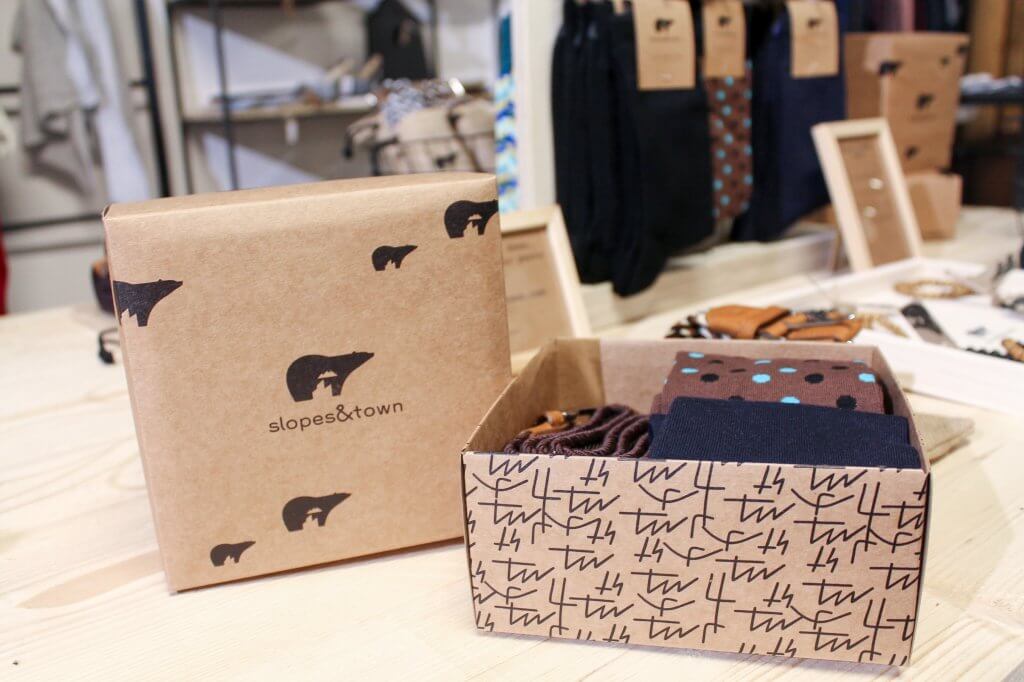

 Boxes On The Move